


White Plains Sales Tax Filings & Payments Services
Sales Tax Filings & Payments in White Plains
Understanding sales tax is essential for operating your business in White Plains, New York. Sales tax is more than just an added charge to customers. It is a legal obligation that directly affects your cash flow, recordkeeping, and overall compliance with state and local tax laws.
Businesses that fail to properly manage sales tax risk costly penalties, interest, audits, and long-term financial complications. Whether you are just starting or managing an established company, having a clear understanding of your sales tax revenue responsibilities is critical to running a successful business in White Plains.
How Sales Tax Impacts Retail and Service-Based Businesses
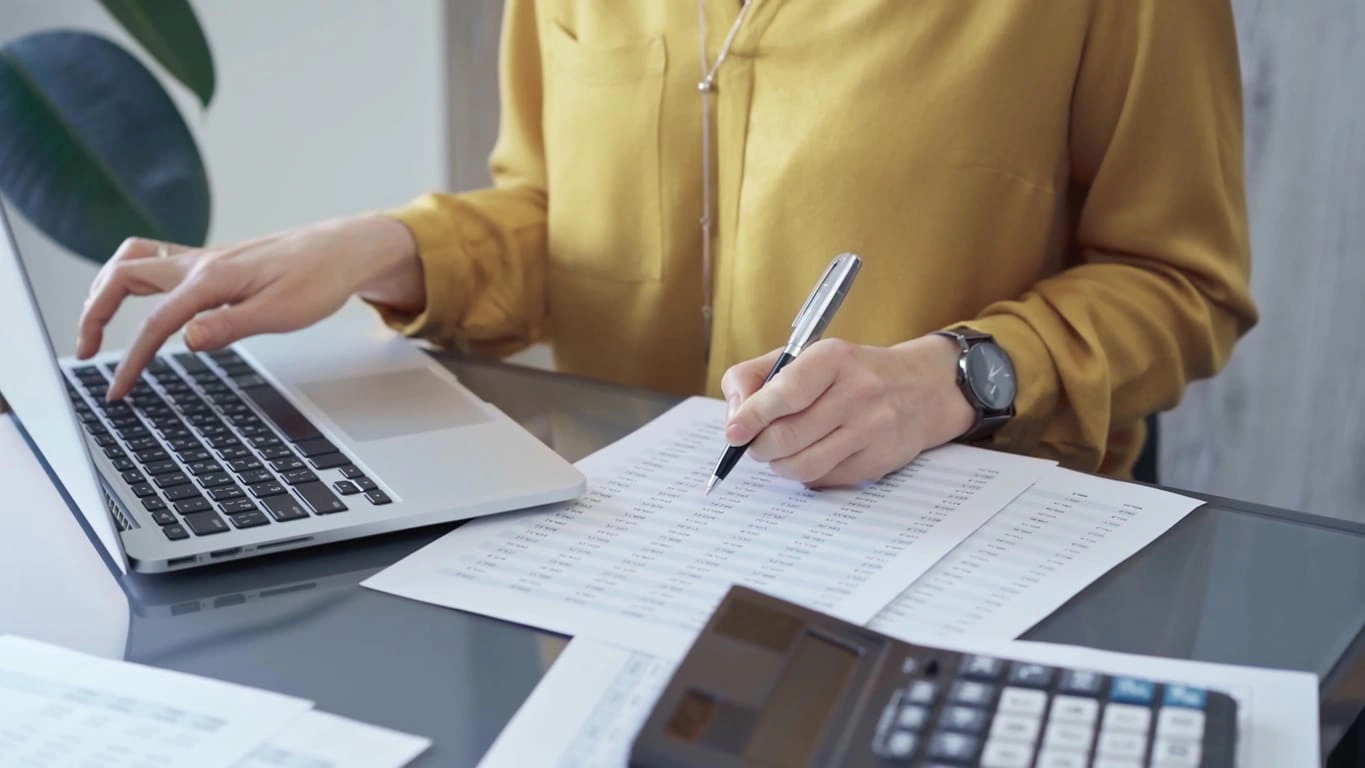
Sales tax affects both retail and many service-based businesses differently. Retailers must collect and remit tax on most tangible goods, while service businesses may be required to charge sales tax depending on the type of service provided.
Even companies that sell both taxable and non-taxable items must accurately collect and remit sales tax for each transaction. Mistakes in tax collection, underreporting sales, or missing filing deadlines can quickly lead to serious compliance issues. Proper filing and timely payment ensure your business stays in good standing with tax authorities and avoids unnecessary financial risk.
New York and Westchester County Sales Tax Rules
Businesses in White Plains must comply with New York State sales tax laws and Westchester County’s local tax rules. These jurisdictions impose specific tax rates, reporting requirements, and filing frequencies that businesses must follow. Because these regulations can change, staying current is essential. Accurate reporting at both the state and local levels helps prevent errors that can trigger audits or enforcement actions.
How Vernon Accounting Supports White Plains Businesses
Vernon Accounting provides end-to-end sales tax filing and payment support for businesses throughout White Plains. You can count on him for accurate White Plains sales tax filing services. From registration and compliance setup to precise reporting, tax forms, and on-time payments, our firm helps ensure every detail is handled correctly. We take the stress out of sales tax so you can stay compliant, avoid penalties, and focus on growing your business with confidence.
Understanding New York Sales and Use Tax
Sales tax and use tax are two closely connected taxes that directly affect businesses operating in White Plains. Sales tax is collected by a company at the point of sale when taxable goods or services are sold to customers. The business then reports and remits that tax to New York State and Westchester County.
Use tax applies when a taxable purchase is made without paying New York sales tax at the time of the transaction. Even though no tax was collected at checkout, the business still owes the tax once the item is used, stored, or consumed in New York.
How Use Tax Applies to Common Business Purchases
Use tax commonly applies to transactions such as online purchases from out-of-state vendors, equipment bought from sellers who do not charge New York sales tax, and supplies ordered from marketplaces that do not correctly apply tax. These purchases often go unnoticed until an audit occurs, which is why accurate tracking is so important.
How Businesses Determine Which Tax Applies
If sales tax was charged at the time of purchase, it is reported as sales tax. If no tax was charged and the item is taxable, it must be reported as use tax based on total sales. Both are reported on your New York sales tax return, but must be categorized correctly to avoid errors.
How Vernon Accounting Supports Proper Classification
Vernon Accounting helps White Plains businesses correctly classify taxable transactions, track use tax obligations, and prevent costly underpayments, penalties, and audit issues. His skill as a local CPA for sales tax payments means you can relax knowing your business finances are in good hands.
Registering for Sales Tax Collection in White Plains
Registering to collect sales tax is a vital first step for businesses operating in White Plains. To begin, your company must apply for a Certificate of Authority through the New York State Department of Taxation and Finance. This application is completed online and must be submitted before any taxable sales take place. Once approved, the state issues the Certificate of Authority, which grants the legal right to collect sales tax from customers and requires the business to file ongoing sales tax returns, including paper returns if necessary.
When Businesses Must Register for Sales Tax
Registration is required when a business meets specific criteria. A company must register if it has a physical presence in New York, such as an office, store, warehouse, or employees working in the state. Registration is also required when a business reaches New York’s economic nexus threshold, which applies to remote sellers that exceed specific sales levels in the state.
Even service providers may need to register if they offer taxable services. Failing to register on time can lead to penalties, back taxes, and compliance issues.
Why Registration Matters for Compliance
Holding a Certificate of Authority allows a business to collect sales tax legally, maintain proper records, and remit tax to New York State and local jurisdictions such as Westchester County. Without proper registration, any tax collected is considered illegal, and the business can face significant enforcement action, including potential disqualification from obtaining a refund.
How Vernon Accounting Assists New Businesses
Vernon Accounting helps new and expanding businesses in White Plains navigate the registration process, determine whether they meet the sales tax collection thresholds, and avoid common compliance mistakes. Our guidance ensures businesses begin operations on a solid, fully compliant foundation based on their business activity.
Sales Tax Exemptions and Certificates
Sales tax exemptions allow certain transactions to be excluded from sales tax, which can significantly reduce a business’s overall tax liability. These exemptions apply when specific conditions are met under New York State law. While most retail sales are taxable, exemptions may apply depending on the customer type, purchase purpose, or product or service. Proper use of exemptions can create substantial savings, but only when the correct procedures are followed.
Common Types of Sales Tax Exemptions
Several categories of transactions commonly qualify for sales tax exemption. These include purchases made for resale, since tax is collected when the item is ultimately sold to the end consumer. Sales made to qualified nonprofit organizations may also be exempt. In addition, certain government agencies are not required to pay sales tax on qualifying purchases, which can relieve some burden on taxpayer. Other exemptions may apply to manufacturing equipment, agricultural supplies, or specific services defined by state law.
Why Exemption Certificates Are Critical for Sales Tax Filings and Payments
To lawfully apply an exemption, businesses must collect and retain a valid exemption certificate from the customer at the time of sale. These certificates serve as legal proof that the transaction was not taxable. Without proper documentation, the business is responsible for uncollected taxes. During a sales tax audit, auditors closely review exemption documentation, and missing or incomplete certificates often result in additional tax assessments, penalties, and interest.
How Vernon Accounting Supports Exemption Management
Vernon Accounting helps White Plains businesses identify which transactions qualify for legitimate exemptions and ensures that proper documentation is collected and maintained. Our team reviews exemption usage, strengthens recordkeeping practices, and reduces audit risk by making sure exemptions are applied accurately and defensibly.

Schedule a meeting now To Start
Nick Vernon, CPA, offers personalized accounting, tax, and advisory services designed to fit your unique financial needs. From small business accounting to tax planning and compliance, our experienced accounting team delivers trusted guidance, clear communication, and reliable solutions to help you move forward with confidence.
Filing Frequency and Reporting Requirements
New York businesses that collect sales tax are required to file sales tax returns on a regular schedule. The most common filing frequencies are monthly, quarterly, and annually. Monthly filing generally applies to businesses with higher sales tax liability, while most small and mid-sized enterprises file quarterly. Some companies with minimal taxable sales may qualify for an annual filing. Even if no sales occur during a reporting period, a return must still be filed to remain compliant.
How Filing Frequency Is Determined
The New York State Department of Taxation and Finance determines a business’s filing frequency based on its sales volume and the amount of sales tax collected. When a business first registers, it is assigned a filing schedule based on estimated activity. Over time, the state may adjust that schedule if sales increase or decrease. Businesses are notified of any change in filing requirements and must follow the updated schedule immediately.
Common Sales Tax Due Dates
Sales tax returns are generally due on the 20th day of the month following the close of the reporting period. For example, the first-quarter return is due on April 20. If the due date falls on a weekend or a legal holiday, the deadline is extended to the next business day. Missing these deadlines can trigger automatic penalties and interest charges.
Why Timely Filing Matters
Filing sales tax returns on time protects businesses from unnecessary penalties, interest, and potential audit exposure. Even when full payment is not possible, filing the return on time reduces the risk of escalating enforcement actions.
How Vernon Accounting Manages Filing Schedules
Vernon Accounting tracks all filing deadlines for White Plains businesses, prepares accurate returns, and ensures all required forms are submitted on time to keep clients fully compliant. He is the CPA for sales tax compliance that you can rely on.
Making Accurate and Timely Sales Tax Payments
Businesses in White Plains can make sales tax payments electronically through the New York State Department of Taxation and Finance online portal. This system allows businesses to submit payments securely and efficiently after filing their sales tax returns. Electronic payments can be made by ACH debit, credit card, or electronic funds transfer, and the portal provides instant confirmation once the payment is processed.
Importance of Paying in Full and on Time
Paying the full amount owed through the NYS sales tax portal by the deadline is essential for maintaining compliance. Late or partial payments can result in penalties, interest charges, and increased scrutiny from the state. Meeting payment deadlines also ensures that businesses remain in good standing and avoid unnecessary enforcement actions.
Benefits of Online Payments
Online payments are preferred because they reduce errors, provide immediate confirmation, and create a clear digital record of each transaction. These records can be easily retrieved during an audit or financial review, helping prove that payments were made accurately and on time.
Payment Records and Audit Protection
Maintaining organized records of all sales tax payments is vital. These records help demonstrate compliance, clarify any discrepancies, and reduce audit risk. Accurate documentation strengthens a business’s financial controls and supports long-term tax planning.
How Vernon Accounting Assists with Payments
Vernon Accounting helps businesses verify the correct amounts due, prepare for upcoming payment deadlines, and complete electronic payments properly. This support ensures accuracy, prevents costly mistakes, and keeps businesses compliant with New York tax requirements.
Common Sales Tax Filing Errors and How to Avoid Them
Businesses often make errors when filing sales tax returns, and many of these mistakes can be avoided with proper oversight. Frequent issues include misclassifying taxable and non-taxable items, missing filing deadlines, using incorrect state or local tax rates, and failing to report use tax on out-of-state purchases. These errors may seem minor, but they can create significant problems over time.
Filing mistakes can trigger penalties, interest charges, and increased audit risk. In some cases, they can also damage a business’s reputation with customers and state agencies. Accurate filing protects both financial stability and compliance standing.
Software tools and automated systems help reduce calculation errors and improve consistency, but professional review remains essential. Vernon Accounting examines gross sales data, verifies tax rates, checks exemption documentation, and ensures all figures are accurate before returns are submitted. This process helps White Plains businesses avoid costly errors and maintain full compliance.
Partner with Vernon Accounting for Sales Tax Compliance in White Plains
Managing sales tax filings and payments can be complex, but expert guidance makes the process smooth and stress-free. Vernon Accounting brings extensive experience in New York sales tax compliance and provides White Plains businesses with accurate, reliable support.
Our business sales tax accountant team streamlines registration, filing, payment, and exemption management so you stay compliant and avoid costly mistakes. If your business needs clear direction and dependable assistance, schedule a consultation with Vernon Accounting. Contact us today to get tailored support and ensure your sales tax obligations are handled with confidence and precision.

FAQs
To file sales tax in New York, you must first be registered with the New York State Department of Taxation and Finance. Once registered, you’ll file your returns online through the state’s Sales Tax Web File system. You’ll report your total taxable sales, the amount of tax collected, and any credits or exemptions.
After submitting the return, payment can be made electronically via ACH debit, credit card, or electronic funds transfer. Most businesses file quarterly, though some are required to file monthly or annually. It’s essential to keep accurate sales records, exemption certificates, and receipts in case of an audit. Filing on time helps you avoid penalties, interest, and possible enforcement actions.
Sales tax compliance means meeting all New York State requirements related to collecting, reporting, and paying sales tax accurately and on time. This includes properly registering for a Certificate of Authority for sales tax purposes, charging the correct state and local tax rates, tracking taxable and non-taxable sales, maintaining complete records, and filing returns on time. Businesses must also issue and retain valid resale or exemption certificates when applicable.
Compliance extends to use tax reporting if tax wasn’t collected at the point of sale. Failure to comply can result in penalties, interest, audits, and even personal liability for business owners. Staying compliant protects your business and keeps you in good standing with New York tax authorities.
Sales tax filing frequency in New York depends on how much tax your business collects. Most companies file quarterly, while those with higher tax liability may be required to file monthly. Smaller or seasonal businesses may qualify for annual filing. New registrants generally start with a quarterly filing. Returns are typically due 20 days after the end of each filing period (for example, April 20 for the first quarter). If the due date falls on a weekend or holiday, the deadline shifts to the next business day. Even if you had no sales for the period, you are still required to file a “zero return” to remain compliant and avoid penalties.
Small businesses in New York must register for a Certificate of Authority before collecting any sales tax. Once registered, they are required to charge the correct state and local sales tax rates, keep detailed records of taxable and exempt sales, and file sales tax returns based on their assigned filing frequency. Even if your business has no sales during a period, you must still file a return.
Small businesses must also properly document exemption certificates and report use tax when applicable. Failure to meet these requirements can lead to penalties, interest, and potential audits. Staying organized with bookkeeping and setting calendar reminders helps small business owners stay compliant year-round.
To register for a New York State sales tax permit—also known as a Certificate of Authority — you must apply online through the New York State Department of Taxation and Finance website. Registration must be completed at least 20 days before you begin making taxable sales. During the application process, you’ll provide information about your business structure, ownership, location, and estimated sales. Once approved, you’ll receive your Certificate of Authority, which must be displayed at your place of business. You cannot legally collect sales tax until this certificate is issued. Registering properly ensures you can collect tax lawfully and helps you avoid severe penalties for unregistered sales activity.
Missing a New York sales tax deadline can result in penalties, interest, and possible enforcement actions. The state typically charges a late filing penalty, a late payment penalty, and daily interest on any unpaid tax. Repeated failures may trigger audits, tax liens, bank levies, or even revocation of your sales tax permit. In severe cases, responsible individuals within the business can be held personally liable for unpaid sales tax. If you miss a deadline, it’s best to file and pay as soon as possible to minimize penalties. You may also be able to request penalty abatement if you can demonstrate reasonable cause for the delay.
A CPA can be extremely valuable during a New York sales tax audit. They act as your representative before the Department of Taxation and Finance, handling communication with auditors and ensuring your rights are protected. A CPA can review your records, reconcile sales data, validate exemption certificates, and identify errors before they become costly. They also help prepare audit documentation, explain discrepancies, and negotiate any proposed assessments. If penalties or interest are assessed, a CPA can request reductions or payment arrangements. Their expertise helps reduce stress, improve accuracy, and often results in lower overall tax liability than handling an audit on your own.
To file New York State sales tax online, start by logging into your Business Online Services account with the Department of Taxation and Finance. Select the correct filing period, then enter your gross sales, taxable sales, collected tax, and any credits or exemptions. The system automatically calculates what you owe. Review the return carefully before submitting. Once filed, choose your electronic payment method—ACH debit, credit card, or EFT — and complete the payment process. Save or print your confirmation for your records. Filing online is required for most businesses and provides faster processing, payment tracking, and immediate confirmation of submission.
Sales tax is collected by vendors at the point of sale when taxable goods or services are sold in New York. The vendor then remits that tax to the state. Use tax, on the other hand, applies when sales tax was not collected, such as when you purchase taxable items out of state or online and use them in New York. In those cases, the buyer is responsible for reporting and paying the use tax directly to the state. Both taxes exist to ensure New York collects tax on taxable purchases regardless of where the sale occurs. Businesses must track and report to remain compliant.
New York imposes several penalties for late sales tax filings and payments. The late filing penalty is typically 10% of the tax due for the first month, plus 1% for each additional month, up to a maximum of 30%. Late payment penalties and daily interest are also added. If no return is filed, penalties can be assessed based on the estimated tax due. Continued noncompliance may result in audits, tax warrants, liens, or permit suspension. In severe cases, business owners and officers can be held personally responsible. Filing as soon as possible — even if you can’t pay in full — can significantly reduce long-term financial damage.

Contact Vernon Accounting
today
To schedule a free phone consultation, please complete and submit
the form.

